
- September 23, 2026
Balti food carries real Tibetan heritage, butter tea and hand-rolled noodle soups built for a cold, high-altitude life. It’s genuinely different from Hunza’s apricot-forward cuisine just over the mountains. This is herb-based rather than fruit-based, built around hearty broths rather than raw ingredients.
Skardu food guide: the essential dishes
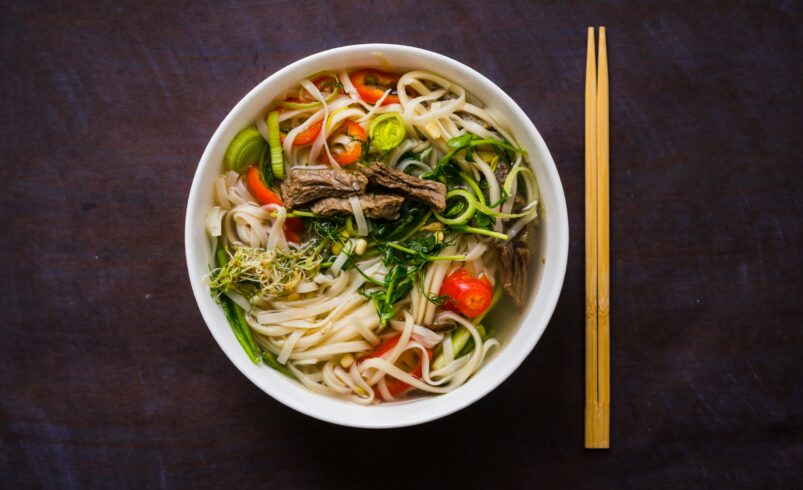
- Balay: a thick, hearty noodle soup, closer to a gravy than a broth, made with goat or mutton and hand-rolled wheat noodles. The classic way to start a traditional Balti meal.
- Prapu: noodles thickened with ground almonds or buckwheat flour, served with muskut, a walnut-and-mint paste, or simply with butter, yogurt, or apricot oil.
- Mamtu: steamed dumplings filled with meat, onions, and chili, showing clear Central Asian influence, similar to momos found further east.
- Khambir: dense, whole-wheat bread, a staple at nearly every meal, used to scoop up curries and soups.
- Butter Tea (Po Cha): yak butter and salt whisked into tea, a genuine marker of the region’s Tibetan roots.
- Harissa: a barley soup traditionally cooked during Ramadan, served specifically for Iftar.
Why it tastes so different from the rest of Pakistan
Balti cooking is notably mild, built around herbs, mint, and walnut. That’s a real departure from the chili-heavy spice blends found in most Pakistani regional cuisines. Dishes are traditionally cooked in copper or clay pots over wood fires. That gives many of them a genuine smoky, earthy character. Barley, wheat, apricots, and yak meat form the backbone of the local diet. It’s shaped by what actually survives at this elevation and climate.
Where to actually eat
- Dewan-e-Khas, Skardu city: well known for serving traditional Balti dishes like muskut and harissa.
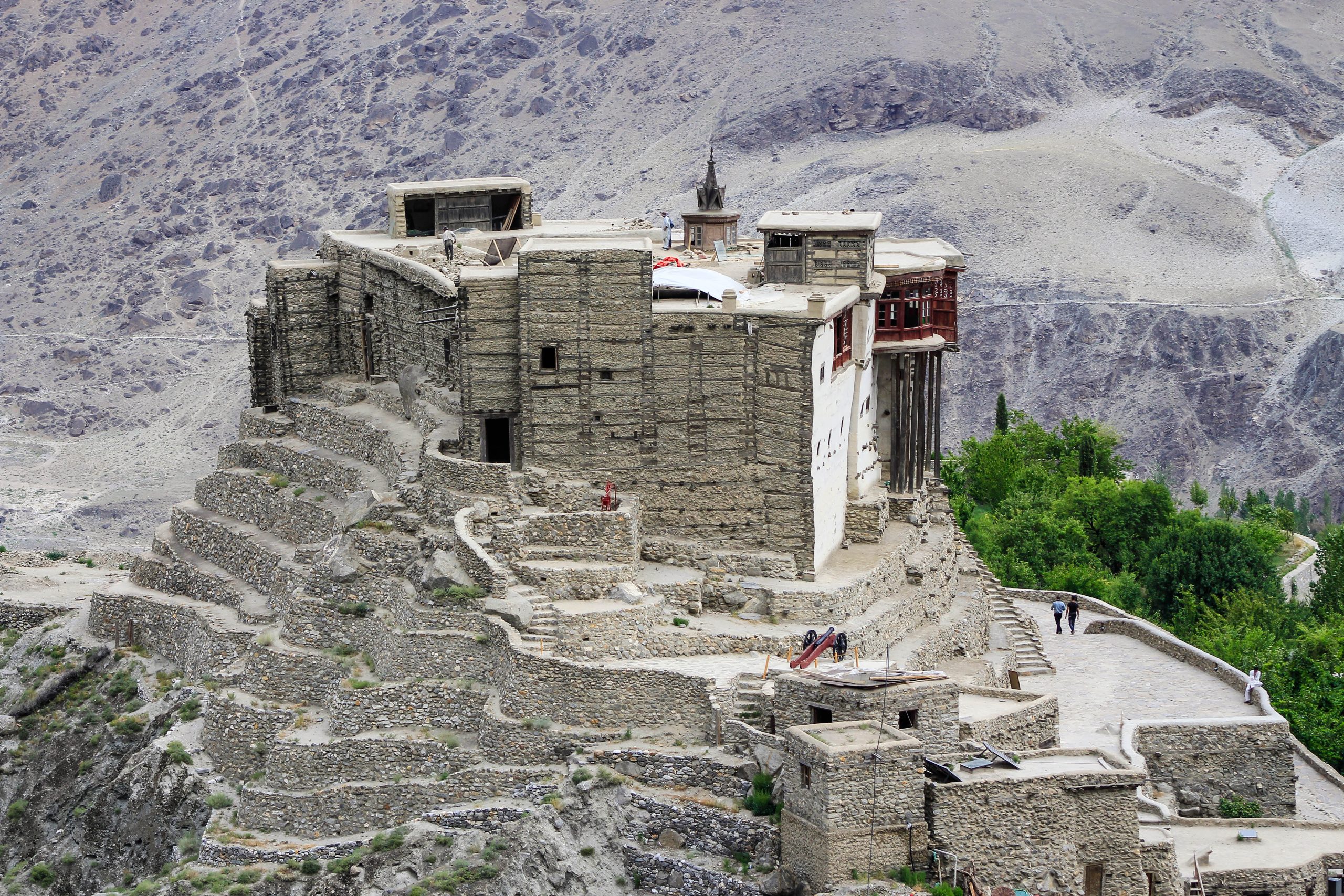
- Fong Khar Restaurant, Serena Shigar Fort: a more formal setting, inside the restored 400-year-old fort an hour’s drive from Skardu, serving Balti specialties alongside a wider menu.
- Homestays and family guesthouses, Skardu, Shigar, and Khaplu: often the most authentic version, with some preparing a full spread of a dozen or more traditional dishes for guests as a genuine gesture of hospitality.
Skardu food guide: practical tips
- Try Balay as your entry point. It’s the most approachable, widely available dish and a genuine introduction to Balti flavors.
- Ask a homestay host about a family-style meal. This is often the most authentic way to try multiple dishes at once.
- Don’t expect much spice. Balti food relies on herbs and mild flavors rather than heat, a real contrast to Karachi or Peshawar’s cuisine.
- Try dried and fresh apricots depending on season. Skardu is genuinely famous for them, available year-round dried and fresh roughly July through August.
Pair this with our Skardu travel guide for the wider region.
Frequently asked questions
What is Skardu’s most famous dish?
Balay. A thick, hearty noodle soup made with goat or mutton, widely considered the classic way to start a traditional Balti meal.
Is Balti food spicy?
No, it’s generally mild, built around herbs and mint rather than chili-heavy spice blends.
What’s the connection between Balti food and Tibet?
Butter tea (Po Cha), made with yak butter and salt, directly reflects the region’s Tibetan heritage. Dishes like Thukpa noodle soup show the same influence.
What is Mamtu?
Steamed dumplings filled with meat, onions, and chili, showing clear Central Asian influence, similar to momos found further east.
Where can I try authentic Balti food in Skardu?
Dewan-e-Khas restaurant is well known for traditional dishes, though homestays and family guesthouses often offer the most authentic experience.