





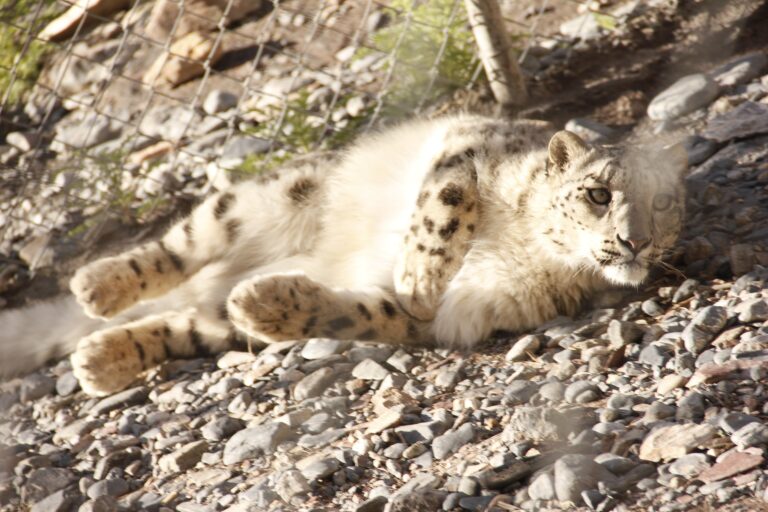


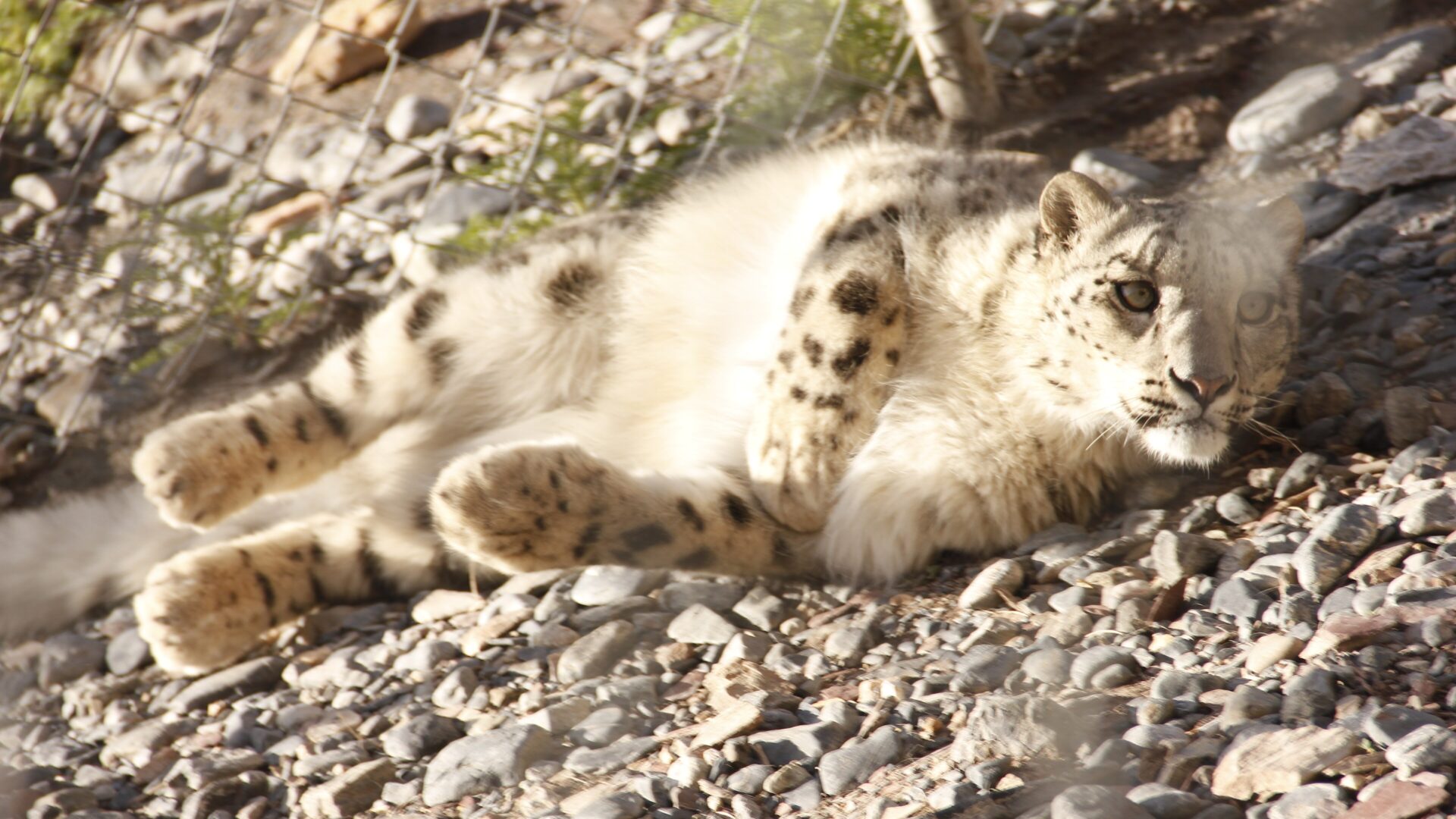

Pakistan’s first nationwide count, built from 828 camera traps set across the north between 2010 and 2019, put the snow leopard population at only 155 to 167 animals. Seeing one is hard anywhere, but snow leopard spotting in Pakistan has a real season and a real base: Upper Hunza and Khunjerab National Park from January to April, when snow drives the cats and their prey down to lower slopes. Last checked: November 2026.
Quick answer: can you see a snow leopard in Pakistan?
Yes, with time, cold tolerance and a good local team. Base yourself in Sost or the villages of Gojal in Upper Hunza between January and April, and spend five to ten days scanning the slopes around Khunjerab National Park with spotters who know the area. Sightings are never guaranteed. Chitral and Baltistan also hold snow leopards, but Upper Hunza has the most experience with winter wildlife trips.
Snow leopard spotting in Pakistan: quick facts
| Item | Detail |
|---|---|
| Scientific name | Panthera uncia |
| Population in Pakistan | 155 to 167, from the Snow Leopard Foundation’s national survey |
| World population | Roughly 3,500 to 7,000 across 12 countries |
| IUCN status | Vulnerable (since 2017) |
| Where in Pakistan | Gilgit-Baltistan, Chitral and the mountains of northern Khyber Pakhtunkhwa |
| Best region for visitors | Upper Hunza and Khunjerab National Park |
| Best months | January to April |
| Main prey | Himalayan ibex, blue sheep, marmots and livestock |
| Days to plan | At least five; seven to ten is better |
| Winter temperatures | Often well below freezing at night in Gojal |
Why winter is the season
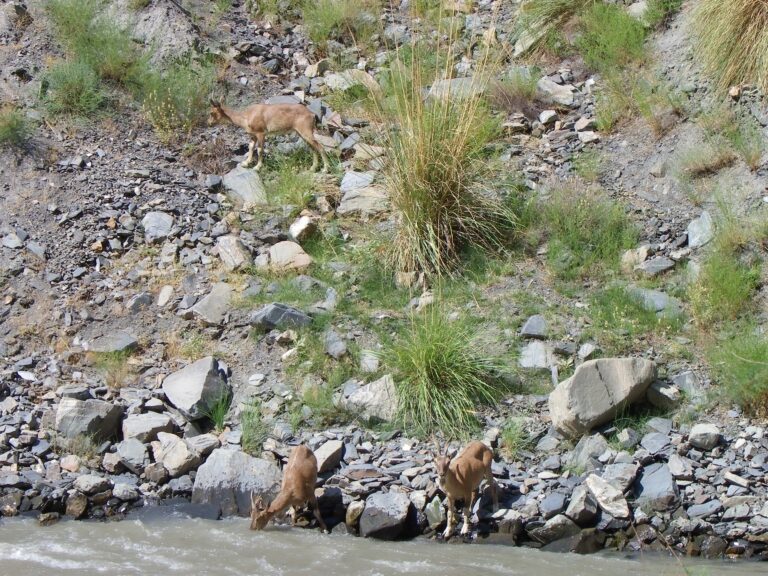
In summer, snow leopards range high above the tree line and are almost impossible to find. Heavy snow pushes the ibex and blue sheep down to sunny slopes near the valley floor, and the cats follow their prey. Tracks in fresh snow, ibex carcasses and scrape marks also make it easier for spotters to work out which slopes a cat is using.
Late winter, from about January to March, is also mating time, when the cats move more and call across the valleys.
Where to look for snow leopards in Pakistan
| Area | Region | Why go | Base |
|---|---|---|---|
| Khunjerab National Park and buffer villages | Upper Hunza, Gilgit-Baltistan | Most winter tour experience; ibex and blue sheep on open slopes | Sost |
| Morkhun and nearby Gojal villages | Upper Hunza | Community managed areas with local spotters | Sost or Gulmit |
| Chitral Gol National Park and upper Chitral | Khyber Pakhtunkhwa | Historic range; the first photographs of a wild snow leopard were taken in Chitral Gol in 1970 | Chitral |
| Hushe and the Masherbrum valleys | Ghanche, Baltistan | Remote valleys with ibex; few visitor facilities in winter | Khaplu |
Upper Hunza and Khunjerab National Park
Khunjerab National Park was created in 1975 to protect the Marco Polo sheep and the snow leopard. In winter, wildlife groups stay in Sost or village guesthouses and drive the Karakoram Highway each morning, stopping to scan the cliffs above the road and the side valleys around Morkhun and Khunjerab.
The local Khunjerab Village Organization works with the national park and the Snow Leopard Foundation on ranger programmes, livestock pens that keep predators out and livestock insurance, which reduce the reasons herders have to kill cats that raid their animals. Visits with local spotters put money into that system.
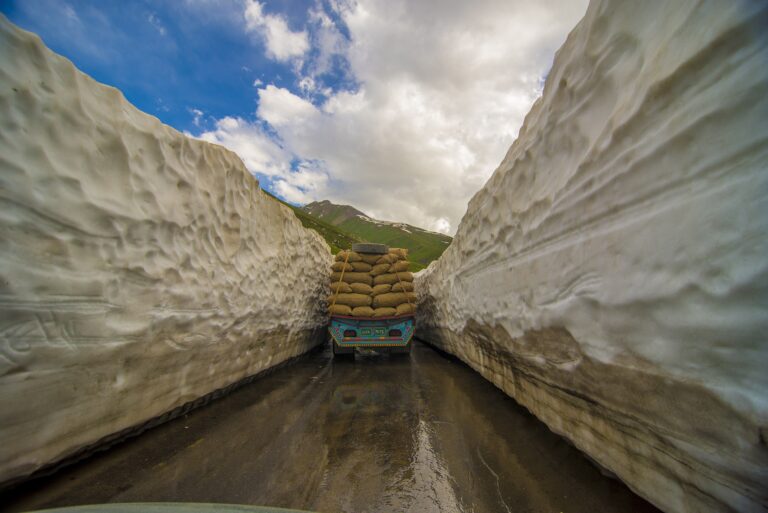
The Khunjerab border has stayed open through the winter since December 2024, but the 86 km stretch from Sost to the pass still takes heavy snow, and the road can close for days. See our Sost and border guide and Gojal Valley guide.
Chitral
The American biologist George Schaller took the first photographs of a wild snow leopard in Chitral Gol in 1970. Snow leopards still live in the high valleys of Chitral, and a winter markhor watching trip there sometimes brings a sighting. Chitral has fewer people running dedicated snow leopard trips than Hunza. See our Chitral Gol National Park guide.
Baltistan
The valleys of Hushe, Saltoro and the Masherbrum range hold snow leopards and ibex. Winter access beyond Khaplu is limited, roads are icy and services are few. This suits experienced travellers with a Skardu or Khaplu operator. See our Hushe Valley guide.
How a snow leopard trip works
Most visitors book a specialist trip of 10 to 15 days from Islamabad, with five to ten days of field time in Upper Hunza. A typical day runs like this:
- Breakfast before dawn and a drive to the first viewpoint
- Hours of scanning slopes with spotting scopes and binoculars, often from the road or a short walk
- Spotters cover several valleys and call in when they find a cat, tracks or a fresh kill
- Lunch in the field or back in the guesthouse
- An afternoon session until the light fades
Snow leopards rest for long periods on ledges. Once a cat is found, a group may watch it for hours from a fixed point a long way off.
Getting to Upper Hunza in winter
Fly Islamabad to Gilgit when the weather allows, then drive about three to four hours to Sost. Flights are often delayed or cancelled in winter, so build in spare days. The full road route from Islamabad on the Karakoram Highway takes 16 to 18 hours or more in snow. Read our Hunza in winter guide and Islamabad to Gilgit road trip before you book.
Many hotels in Hunza close in winter. Confirm heating, hot water and electricity backup before you pay, since power cuts are common in Gojal in winter.
What to bring
- A down jacket, insulated boots, thermal layers, gloves and a warm hat
- Binoculars; your operator should bring spotting scopes
- A long telephoto lens, 500 mm or more, and spare batteries kept warm in a pocket
- A thermos, sunglasses and sunscreen for snow glare
- Cash in rupees for guesthouses and village guides; ATMs in Upper Hunza are few and can run out
- Your passport or CNIC for checkpoints on the Karakoram Highway
Ethics and rules
- Never bait animals or ask anyone to put out meat to attract a cat
- Do not fly drones near wildlife
- Keep a long distance and let the cat set the pace
- Follow the instructions of park staff at the Khunjerab checkposts
- Never buy fur or skins. Leopard cat pelts have been sold in Hunza as snow leopard skins, and the trade in either is illegal
- Pay village spotters and guesthouses fairly; their income is what keeps the cats alive
Frequently asked questions
Where is the best place to see a snow leopard in Pakistan?
Upper Hunza, around Sost and Khunjerab National Park, between January and April.
How many snow leopards are there in Pakistan?
The Snow Leopard Foundation’s national survey estimated 155 to 167, based on camera trapping between 2010 and 2019.
What is the chance of seeing a snow leopard?
It depends on snow, luck and the skill of your spotters. Allow at least a week in the field; shorter trips often see tracks and ibex but no cat.
Is Khunjerab Pass open in winter?
The border has stayed open through the winter since December 2024, but snow can close the road between Sost and the pass for days at a time. Check before each drive.
When is the snow leopard mating season?
Roughly late winter to early spring, from about January into March.
Can I visit Khunjerab National Park in winter without a tour?
You can drive the Karakoram Highway when it is open, but finding a snow leopard without local spotters is very unlikely. Hire a guide from Sost or the village organisations.
Conclusion
If seeing a snow leopard in the wild matters to you, plan for February or March, book at least seven field days in Upper Hunza with an operator who uses local spotters, and add two spare days for flights and snow. Ask the operator, before you pay, how many trips last winter found a cat.
Sources
- Snow Leopard Trust: Pakistan’s first nationwide snow leopard count
- Dawn: Snow leopard population in Pakistan