





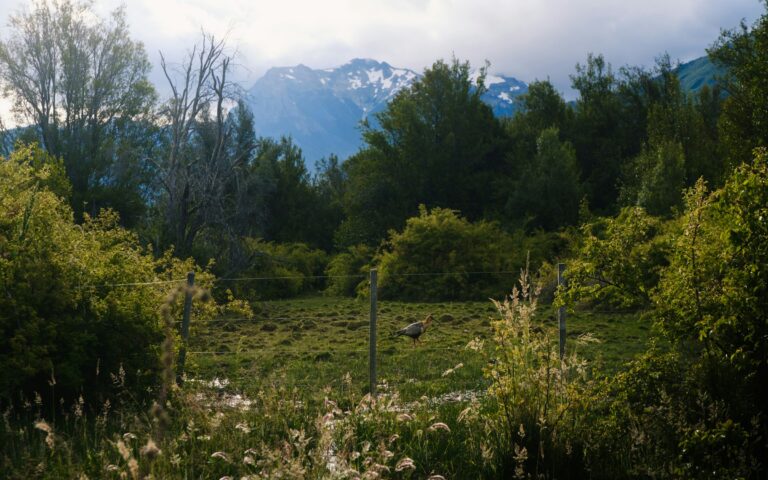
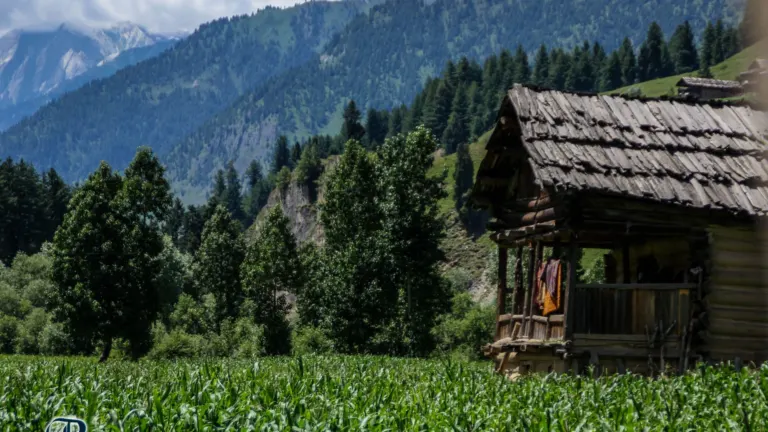
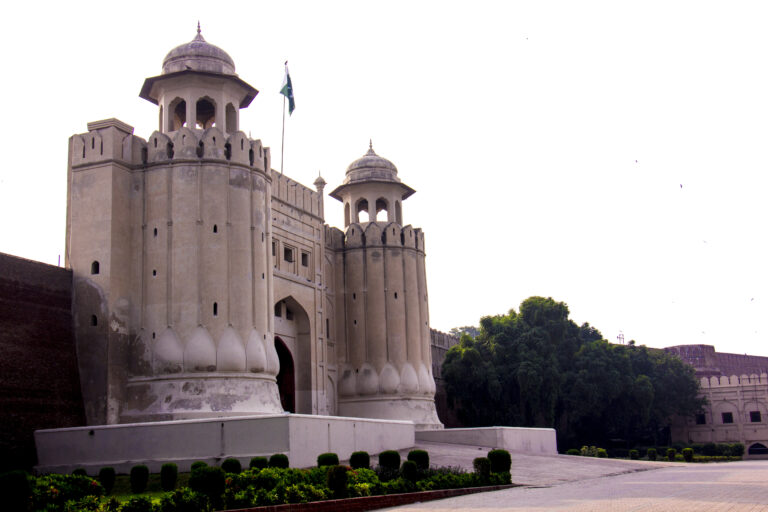
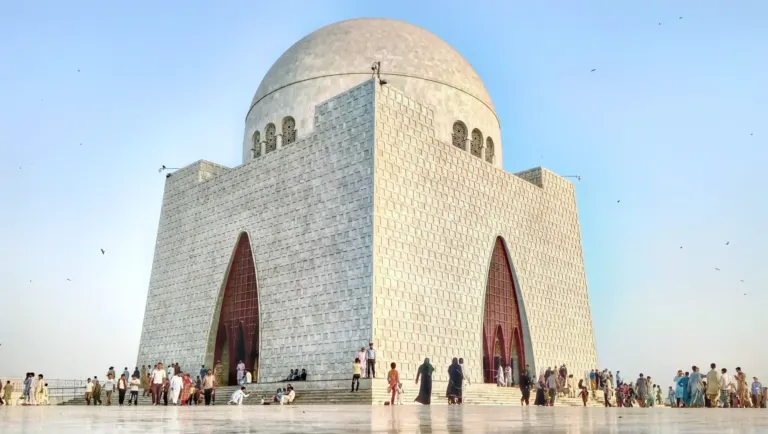

Backpacking Pakistan on a budget isn’t really about squeezing every rupee. We’ve already covered the actual daily numbers in our cost breakdown guide. This is about the part that guide doesn’t cover. Think the route, the border crossings, and the hostel scene that makes independent travel here workable.
Quick answer: is backpacking Pakistan practical?
Independent travel works well in Pakistan with guesthouses, shared transport and a cash-based budget, but overland entry is limited. As of our last check, the Khunjerab crossing to China in season is the only realistic land route for most travellers, while the Wagah crossing is closed and the Iran and Afghanistan routes are not recommended.
| Detail | What to know |
|---|---|
| Overland entry | Only Khunjerab (China), in season, on scheduled buses |
| Closed or not advised | Wagah (India), Taftan (Iran), Afghan crossings |
| Daily costs | See our travel cost guide |
| Cash | Carry plenty in the north |
Backpacking Pakistan on a budget: getting in overland
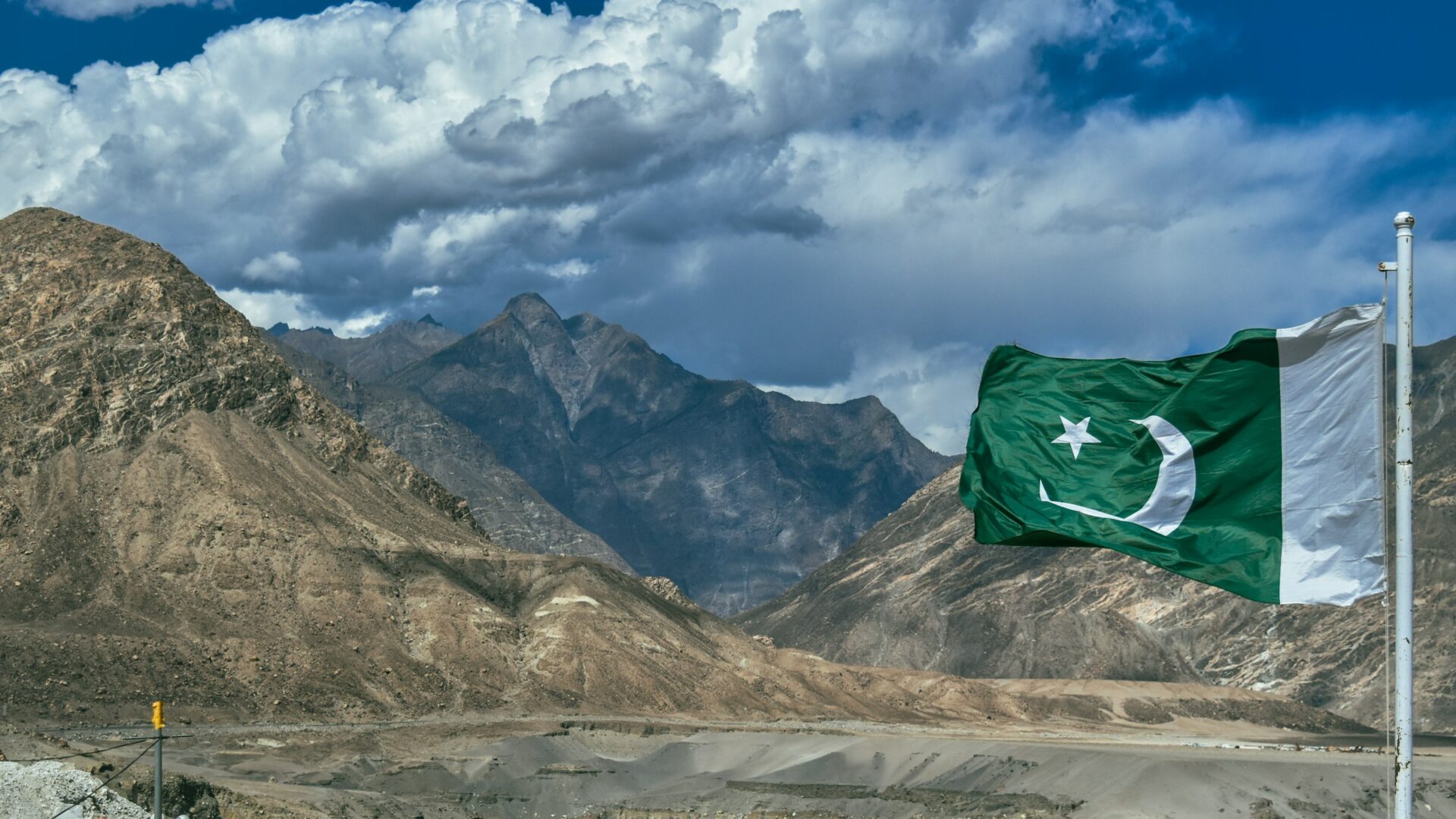
First, Pakistan shares land borders with India, China, Iran and Afghanistan. As of our last check, only the China crossing at Khunjerab is a realistic overland option for most travellers, and only in season.
- Wagah Border (India): closed to travellers since 2025, with no reopening date reported when we last checked. The daily flag ceremony on the Pakistani side has continued in some form, but confirm locally whether visitors are admitted. See our borders of Pakistan guide.
- Khunjerab Pass (China): the world’s highest paved border crossing at 4,693 meters, reached via Sost. It is the only land crossing most travellers can realistically plan around, on scheduled buses to Tashkurgan on weekdays in season. You need a Chinese visa, and rules change, so confirm before you plan. See our Sost and China border guide.
- We do not recommend it as a backpacker route.
The Afghanistan crossing isn’t a realistic option for backpackers right now, and isn’t something this site recommends attempting.
A workable backpacker route
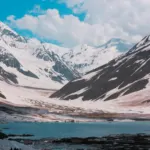
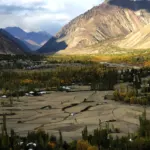
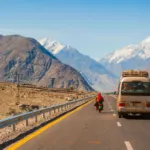
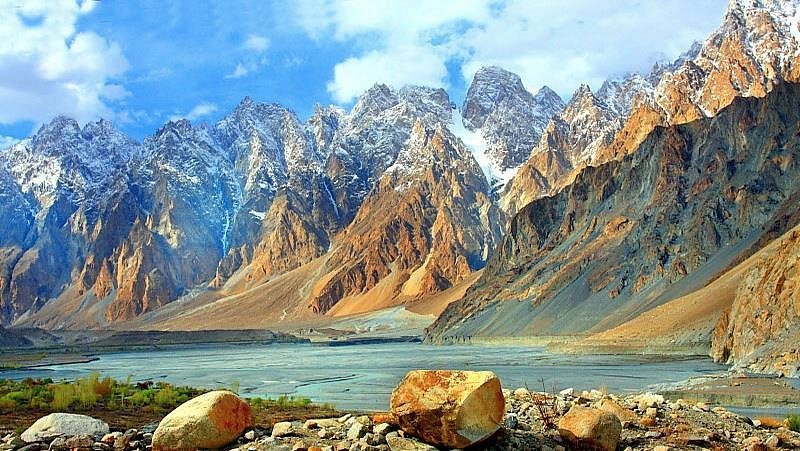
Most independent travelers follow some version of this sequence. Fly or cross overland into Lahore, spend a few days there for the food and old-city sights, then head to Islamabad and Rawalpindi for a contrast in city life. From there, push north via the Karakoram Highway toward Gilgit, Hunza, and Skardu. From there, side trips to Chapursan or Shimshal Valley reward travelers willing to go further off the main road.
Flying to Skardu instead of the full overland leg saves real time if your schedule is tight. The road journey, though, is one of the more scenic drives most backpackers will ever do.
The hostel and guesthouse scene
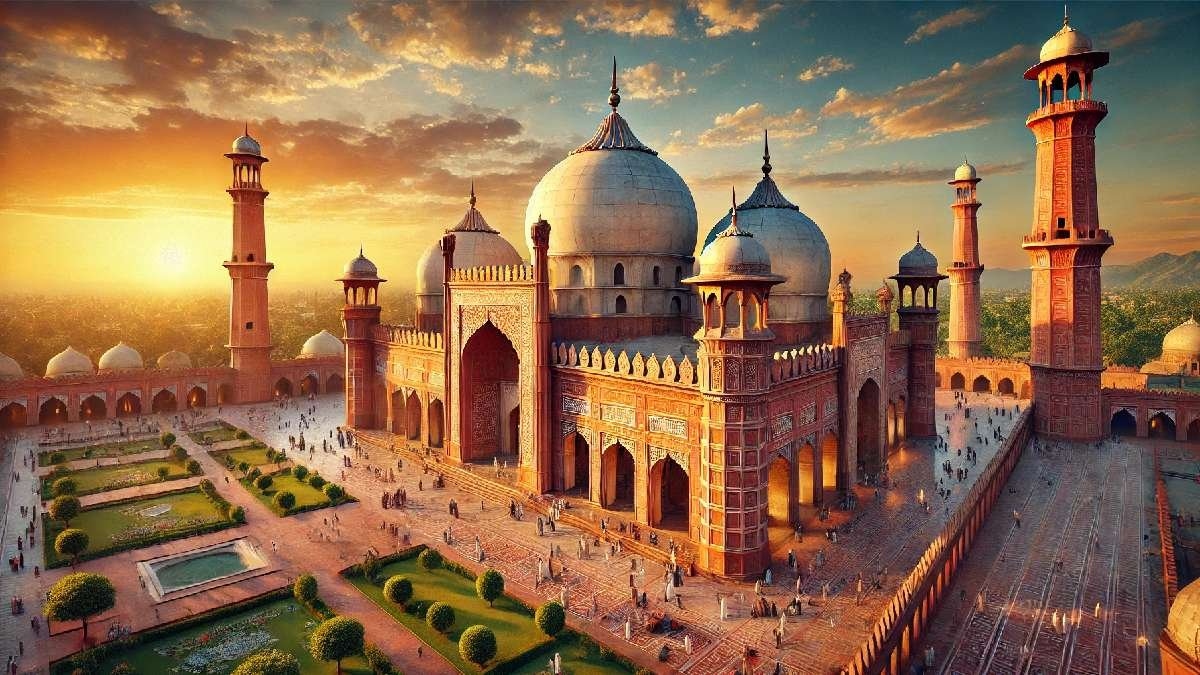
Overall, Pakistan’s hostel network is smaller than neighboring India’s, but it’s real and growing. Lahore has a handful of proper backpacker hostels in the old city, useful bases for exploring on foot. Islamabad has a reasonable spread of budget guesthouses. Once you’re north, smaller towns like Ishkoman have dedicated backpacker lodges too. That fills a gap that used to mean relying entirely on local guesthouses.
Booking ahead matters less here than in more touristed countries. During peak summer in the north, though, a bit of advance planning avoids arriving somewhere with no beds left.
Staying connected on the road
Also, good wifi is rare outside major cities, and mountain towns see frequent power cuts. Most backpackers rely on a local SIM instead of chasing hotel wifi. See our SIM card guide for which network to pick region by region. Telenor’s northern coverage matters a lot once you’re off the main circuit.
Where backpackers skip, for now
Balochistan isn’t a realistic destination for independent backpackers under current conditions. That’s consistent with our guide to whether Pakistan is safe to visit. Most backpacker routes concentrate on the north and the Lahore-Islamabad corridor for exactly this reason. It’s not because the rest of the country lacks anything worth seeing.
Onward travel from Pakistan
So, if Pakistan is one stop on a longer trip, Karachi tends to have the cheapest onward flights. Turkey, Sri Lanka, and Oman are common next stops. Overland onward travel toward China has gotten notably easier since China’s 2024 visa relaxation. The Khunjerab route is now a genuine option for continuing east, not just a scenic detour.
Backpacking Pakistan on a budget: final tips
- Get a multiple-entry visa if you’re planning visa runs. The Wagah border makes India-Pakistan visa runs straightforward if your visa allows it.
- Don’t count on wifi for anything time-sensitive. A local SIM is far more reliable once you’re outside major cities.
- Book ahead for peak summer in the north. Hostel beds and guesthouse rooms do sell out in July and August.
- Budget extra time for overland border crossings. They’re straightforward but rarely fast.
Pair this with our full cost breakdown for the actual daily numbers. Our Pakistan tourism for foreigners guide ties together everything else.
Frequently asked questions
Can you backpack into Pakistan overland?
Yes. The Wagah border from India, the Khunjerab Pass from China, and the Taftan crossing from Iran are all realistic routes. Each works for backpackers.
Is Pakistan good for backpackers?
Yes, particularly the north and the Lahore-Islamabad corridor, where a real hostel and guesthouse network has developed. Some regions, like Balochistan, aren’t recommended under current conditions.
What’s the best backpacker route through Pakistan?
Lahore, then Islamabad and Rawalpindi, then north via the Karakoram Highway to Gilgit, Hunza, and Skardu. Side trips to valleys like Chapursan or Shimshal reward travelers with extra time.
Is there a hostel scene in Pakistan?
It’s smaller than neighboring countries, but real and growing. Lahore, Islamabad, and a handful of northern towns like Ishkoman lead the way.
Can I cross from Pakistan into China as a backpacker?
Yes, via the Khunjerab Pass, the world’s highest border crossing. China’s 2024 visa relaxation has made this a more viable onward route than it used to be.