








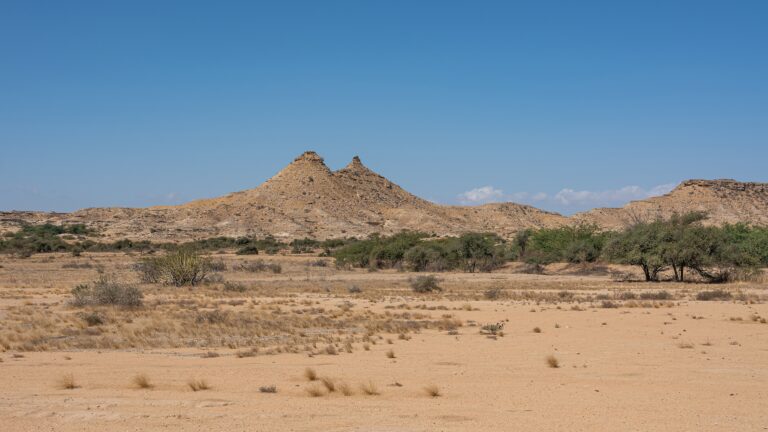
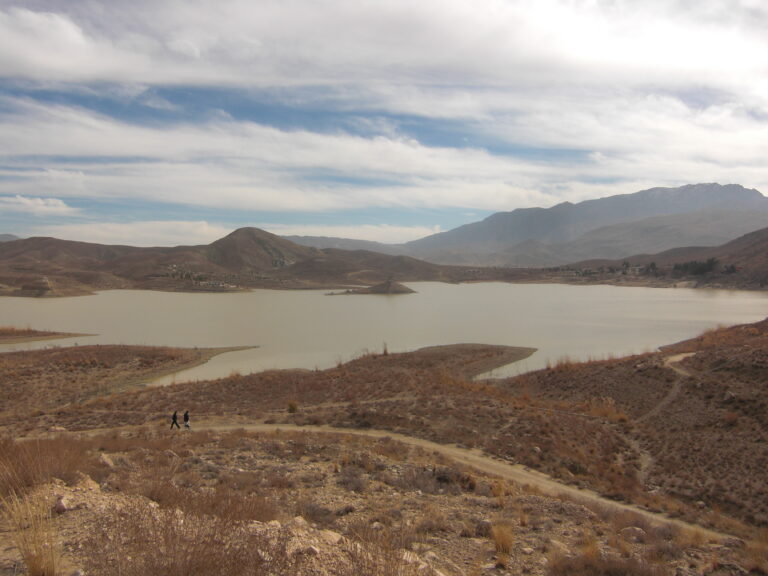

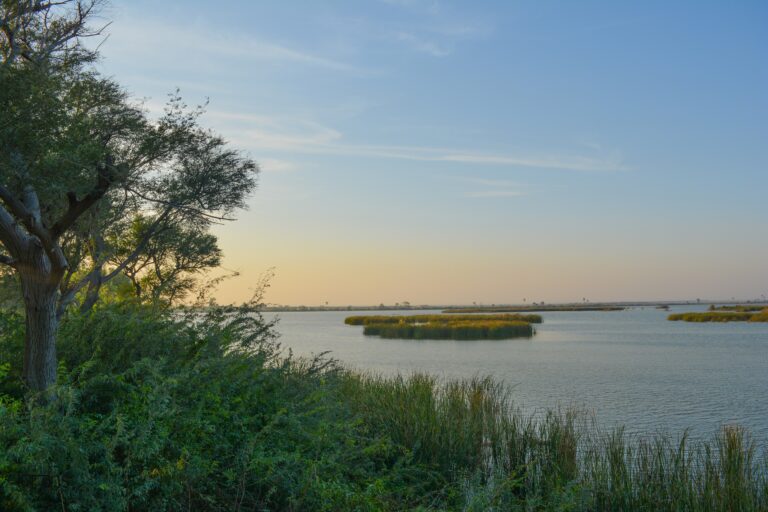
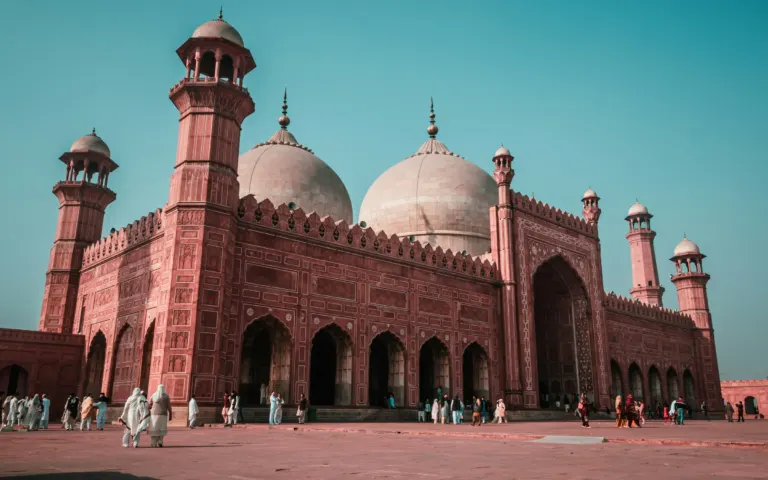

Between November and February, ducks, geese, cranes, pelicans and flamingos that breed in Siberia and Central Asia spend the winter on the lakes and barrages of the Indus. That arrival makes bird watching in Pakistan a winter activity first. A second season opens in the northern mountains from May to September, when the passes clear and birds breed at high altitude. Last checked: November 2026.
Quick answer: when and where is the best bird watching in Pakistan?
Go between December and February for waterbirds. The easiest sites are Haleji and Keenjhar lakes, a day trip from Karachi; Taunsa Barrage and the Uchhali lakes in Punjab; and Patisar Lake in Lal Suhanra National Park near Bahawalpur. For forest birds in any month, walk the Margalla Hills trails above Islamabad. In summer, go north to Deosai, Khunjerab and the forests of Palas. Arrive at sunrise with binoculars.
Bird watching in Pakistan: quick facts
| Item | Detail |
|---|---|
| Bird species recorded | About 792 on the Avibase national checklist (June 2024); older checklists list 668 |
| National bird | Chukar partridge |
| Main migration route | The Indus Flyway, part of the Central Asian Flyway |
| Ramsar wetlands | 19 sites of international importance |
| Winter waterbird season | Birds arrive in October and November and leave in February and March |
| Mountain season | May to September |
| Best time of day | Sunrise and the first two hours after it |
| Field guide | Birds of Pakistan (Helm Field Guides) |
| Who manages sanctuaries | Provincial wildlife departments in Sindh, Punjab, Khyber Pakhtunkhwa, Balochistan and Gilgit-Baltistan |
How the Indus Flyway works
Birds leaving the frozen north cross into Pakistan over the Karakoram, the Hindu Kush and the hills of Balochistan, then follow the Indus south. Some stop on the barrages and lakes of Punjab; many continue to the freshwater lakes, lagoons and coast of Sindh. They stay for about four months.
The winter visitors include mallards and other ducks, bar-headed and greylag geese, common coots, cranes, pelicans, flamingos, cormorants, herons, egrets, ibises, storks, snipes and many smaller waders. In the deserts, the houbara bustard arrives for the same months.
Numbers vary a lot from year to year. Water levels, hunting pressure and the state of each wetland decide where the flocks settle, so a site that was full last winter may be quiet this one.
Best places for bird watching in Pakistan
| Site | Province | What it is | Best months | Base |
|---|---|---|---|---|
| Haleji Lake | Sindh, near Thatta | Ramsar wildlife sanctuary of about 18 sq km | December to February | Karachi or Thatta |
| Keenjhar Lake | Sindh, Thatta District | Large freshwater lake, Ramsar site | November to February | Karachi or Thatta |
| Manchar Lake | Sindh, near Sehwan | Large natural lake, Ramsar site | December to February | Sehwan or Hyderabad |
| Nareri Lagoon | Sindh, Badin District | Coastal lagoon, Ramsar site | December to February | Badin |
| Taunsa Barrage | Punjab, on the Indus | Wildlife sanctuary since 1972, about 6,570 ha | November to February | Dera Ghazi Khan or Multan |
| Uchhali Wetland Complex | Punjab, Khushab District | Uchhali, Khabbaki and Jahlar lakes, Ramsar site since 1996 | November to February | Soon Valley |
| Chashma Barrage | Punjab, Mianwali District | Barrage lakes on the Indus, Ramsar site | November to February | Mianwali |
| Patisar Lake | Punjab, Lal Suhanra National Park | Park lake that holds 10,000 to 30,000 ducks and coots in midwinter | December to February | Bahawalpur |
| Margalla Hills | Islamabad | Forested national park on the city edge | All year; best October to April | Islamabad |
| Palas Valley | Khyber Pakhtunkhwa, Kolai-Palas | Mountain forest with about 230 recorded species | May to September | Off the Karakoram Highway |
| Deosai and Khunjerab | Gilgit-Baltistan | High plateau and high mountain national parks | June to September | Skardu, Astore or Sost |
Haleji Lake
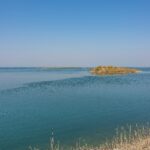
Haleji sits about 82 km from Karachi and 24 km northwest of Thatta. It was built before Partition as a water reservoir for Karachi and grew into one of the best known bird sanctuaries in Asia, recognised as a Ramsar site. More than 200 species have been recorded here.
Freshwater inflows from the Indus stopped in 2018, and bird counts have dropped sharply since then. Haleji still repays a winter sunrise visit, but check recent reports or ask in Thatta before driving out just for it, and pair it with Keenjhar. See our Keenjhar and Haleji lakes guide.
Keenjhar Lake
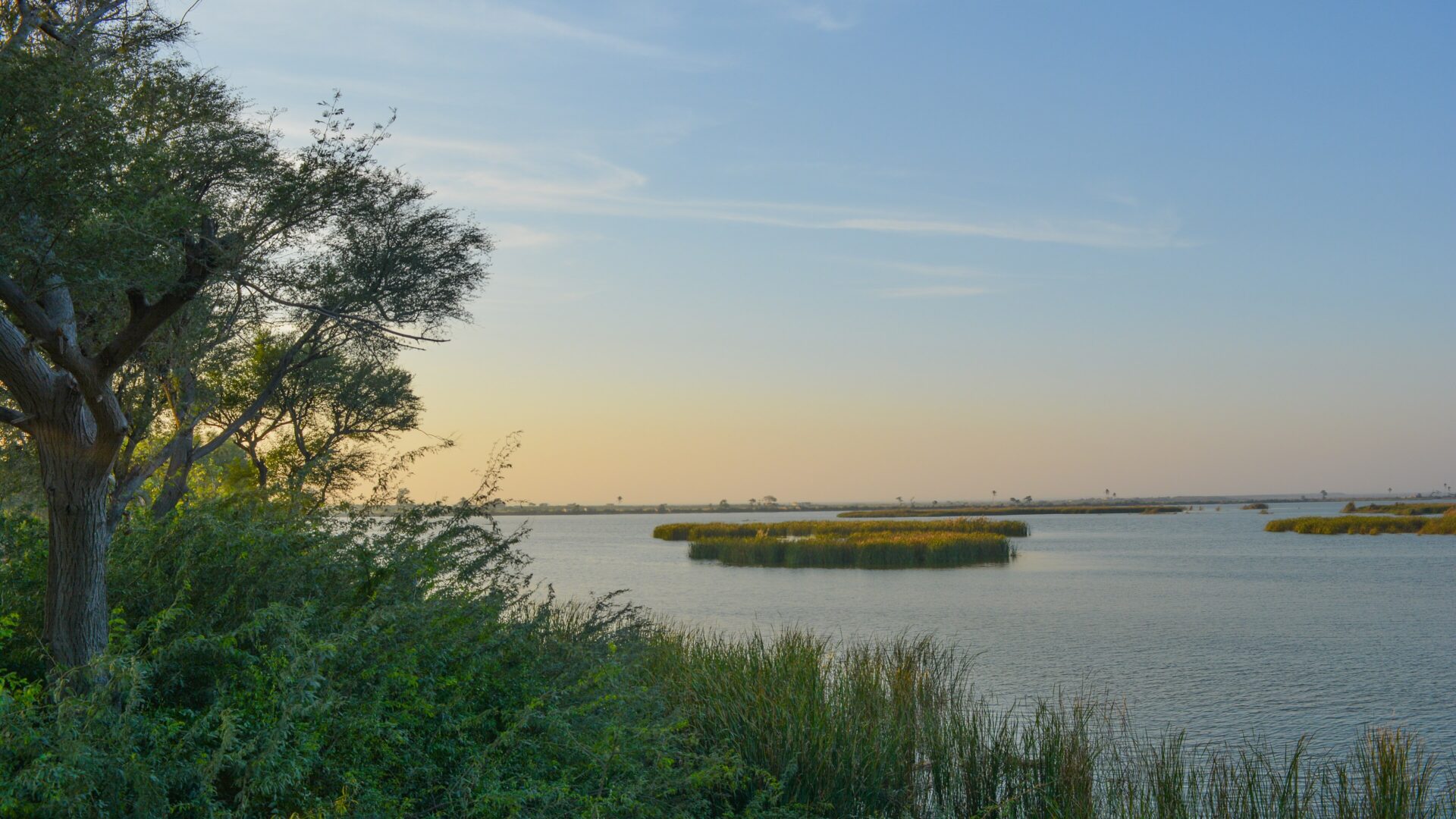
Keenjhar is one of the largest freshwater lakes in Pakistan and a Ramsar site since 1976. Its size spreads the birds out, so a boat helps. The shallow reed edges on the far shore are better than the busy picnic side near the resort. The Makli tombs are on the way; see our Makli Necropolis guide.
Taunsa Barrage and the Punjab barrages
Taunsa Barrage on the Indus in southern Punjab has been a wildlife sanctuary since 1972. A study there over two winters recorded 171 bird species from 53 families. Chashma Barrage upstream and smaller headworks such as Rasul and Qadirabad also hold big flocks of ducks and geese in winter. These are working barrages, so stay on public roads and embankments.
Uchhali lakes in the Soon Valley
Uchhali, Khabbaki and Jahlar are saline and brackish lakes in the Salt Range, listed together as a Ramsar site in 1996. They suit a weekend from Islamabad or Lahore, combined with the rest of the valley. See our Soon Valley guide and Salt Range day trips.
Lal Suhanra and Patisar Lake
Patisar Lake in Lal Suhanra National Park is the easiest winter birding in south Punjab, about 36 km east of Bahawalpur. Midwinter counts of ducks and common coots run from 10,000 to 30,000.
Margalla Hills for birding in any season
The trails of Margalla Hills National Park start inside Islamabad. Forest birds are here all year, and winter brings Himalayan species down to lower slopes. Trail 3 and Trail 5 are good early morning walks; go before 9 AM, when the trails are quiet.
Mountain birding in summer
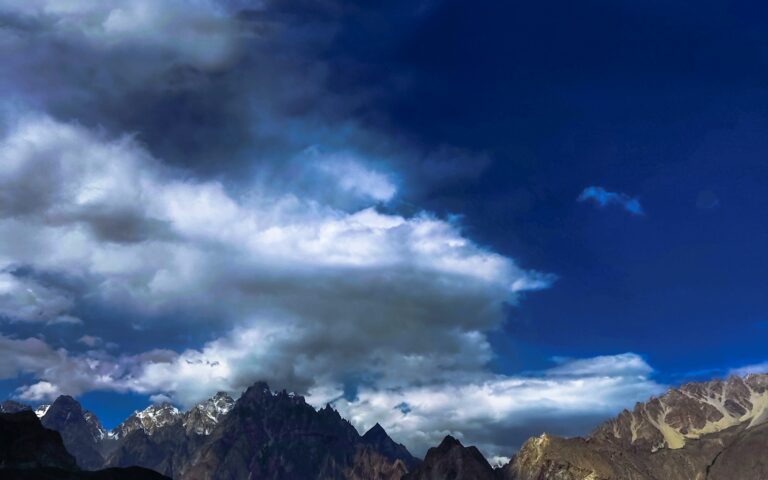
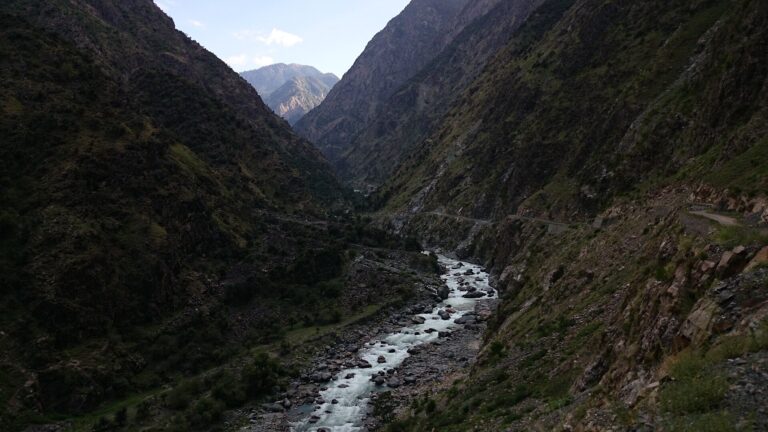
From May to September the high north takes over. Deosai National Park and Khunjerab National Park hold birds of open high ground, from larks and accentors to large raptors. In the forests of Palas Valley, the western tragopan, koklass pheasant, kalij pheasant and Himalayan monal live in dense cover and need patience and a local guide.
Best time for bird watching in Pakistan
| Months | What to expect |
|---|---|
| October to November | First waves of ducks and geese reach Punjab and Sindh |
| December to February | Peak numbers on Sindh lakes and Punjab barrages |
| March | Flocks thin out as birds head north |
| April to May | Spring passage; forest birds sing in the Margallas and Galiyat |
| June to September | Breeding birds in the northern mountains, Deosai and Khunjerab |
Fog covers much of Punjab in December and January, which can hide the water until late morning and close motorways. Read our fog season guide before a Punjab trip, and keep Sindh as the backup.
What to bring
- Binoculars, 8×42 or 10×42; a spotting scope helps on big lakes
- A field guide or a bird app with Pakistan coverage
- A long lens if you photograph birds
- Warm layers for dawn, even in Sindh
- Water, snacks and cash, since lakeside stalls may be closed early in the day
- Your CNIC or passport for checkpoints and sanctuary gates
Ethics and rules
- Keep your distance and never flush a flock for a photo
- Do not play recorded calls to attract birds
- Do not buy caged wild birds or falcons from roadside sellers
- Stay off nesting islands and reed beds
- Take all litter home, especially plastic near water
- Report shooting or netting inside a sanctuary to the provincial wildlife department
Some sanctuaries charge entry or ask visitors to register. Rules and fees change, so confirm at the gate or with the provincial wildlife department.
Two days of birding from Karachi
Day 1: Haleji and Makli
- Leave Karachi before dawn and reach Haleji by sunrise
- Walk the embankment until about 10 AM
- See the Makli tombs at midday
- Reach Keenjhar for the late afternoon light
Day 2: Keenjhar
- Take a boat out at sunrise to the quieter reed edges
- Return to Karachi by early afternoon
For Karachi itself, see our Karachi travel guide.
Frequently asked questions
When is the best time for bird watching in Pakistan?
December to February for waterbirds on the lakes of Sindh and the barrages of Punjab, and May to September for mountain birds in the north.
How many bird species are found in Pakistan?
About 792 species appear on the Avibase checklist for Pakistan (June 2024). Older checklists give 668.
What is the best bird watching site near Karachi?
Haleji and Keenjhar lakes near Thatta. Haleji is the famous sanctuary, but its numbers have fallen since 2018, so Keenjhar is often the more reliable of the two.
Where can I watch birds near Islamabad?
The Margalla Hills trails for forest birds, and the Uchhali lakes in the Soon Valley, about three to four hours away, for winter waterbirds.
Do I need a permit for bird watching in Pakistan?
Not for public lakes and trails. Some sanctuaries and national parks charge entry or ask you to register, so confirm locally.
What is the national bird of Pakistan?
The chukar partridge. You can see it on rocky hillsides in the north and in the Salt Range.
Conclusion
Bird watching in Pakistan rewards a winter sunrise on the right water. If you have one weekend, go to Keenjhar and Haleji from Karachi; if you have two, add Taunsa or the Uchhali lakes. Leave by 5 AM, carry binoculars, and check fog and water levels the night before.