
- August 9, 2026
Pakistan tourism for foreigners has changed a lot in the past few years. International arrivals climbed toward a million visitors in 2023, according to UN Tourism, and receipts grew significantly compared to before the pandemic. So if you’re considering a trip, you’re joining a genuinely growing wave of travelers, not stepping somewhere untested. Here’s what actually matters before you go: culture, logistics, and the practical pieces that tie everything together.
Pakistan tourism for foreigners: the honest starting point
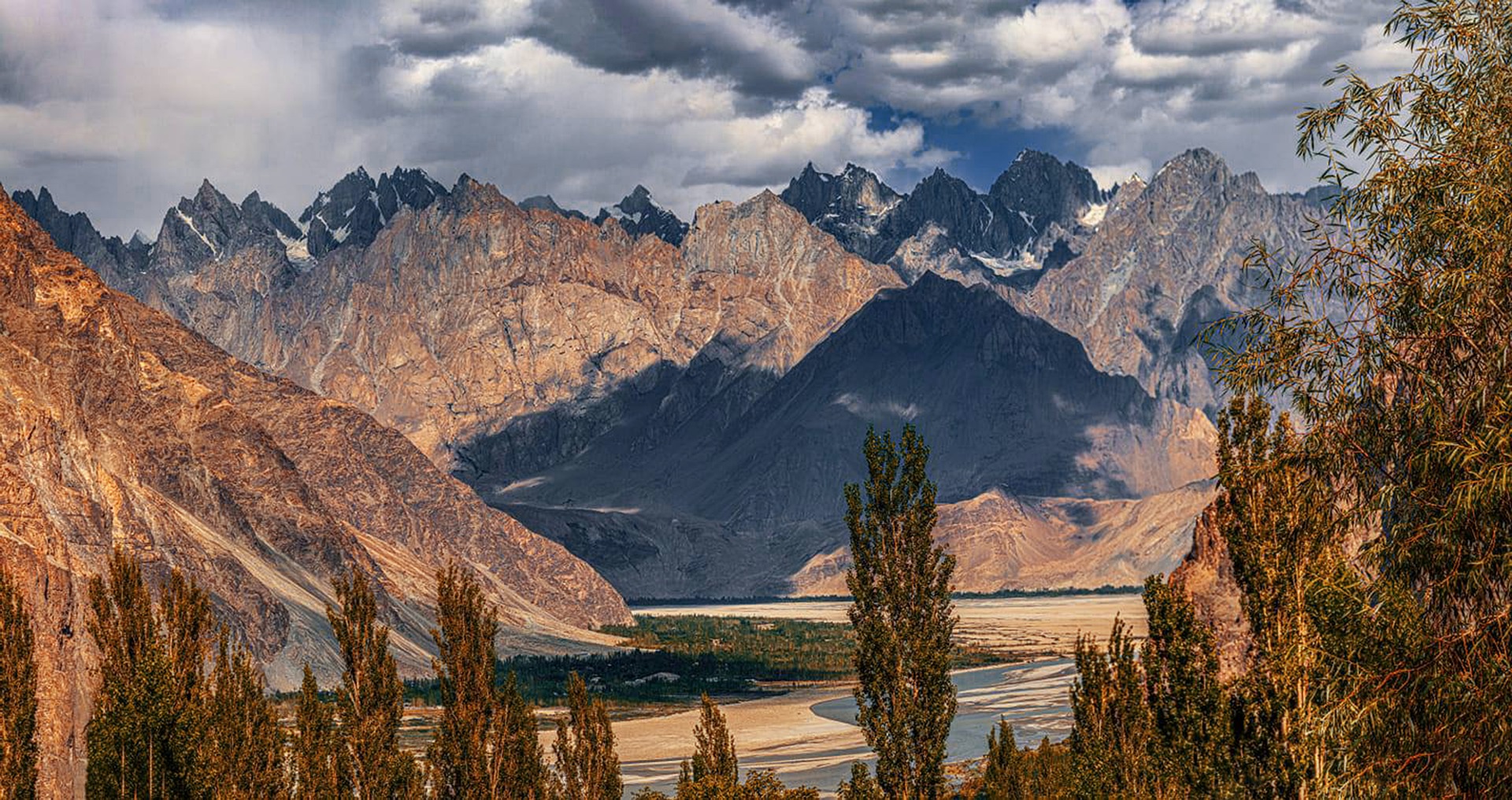
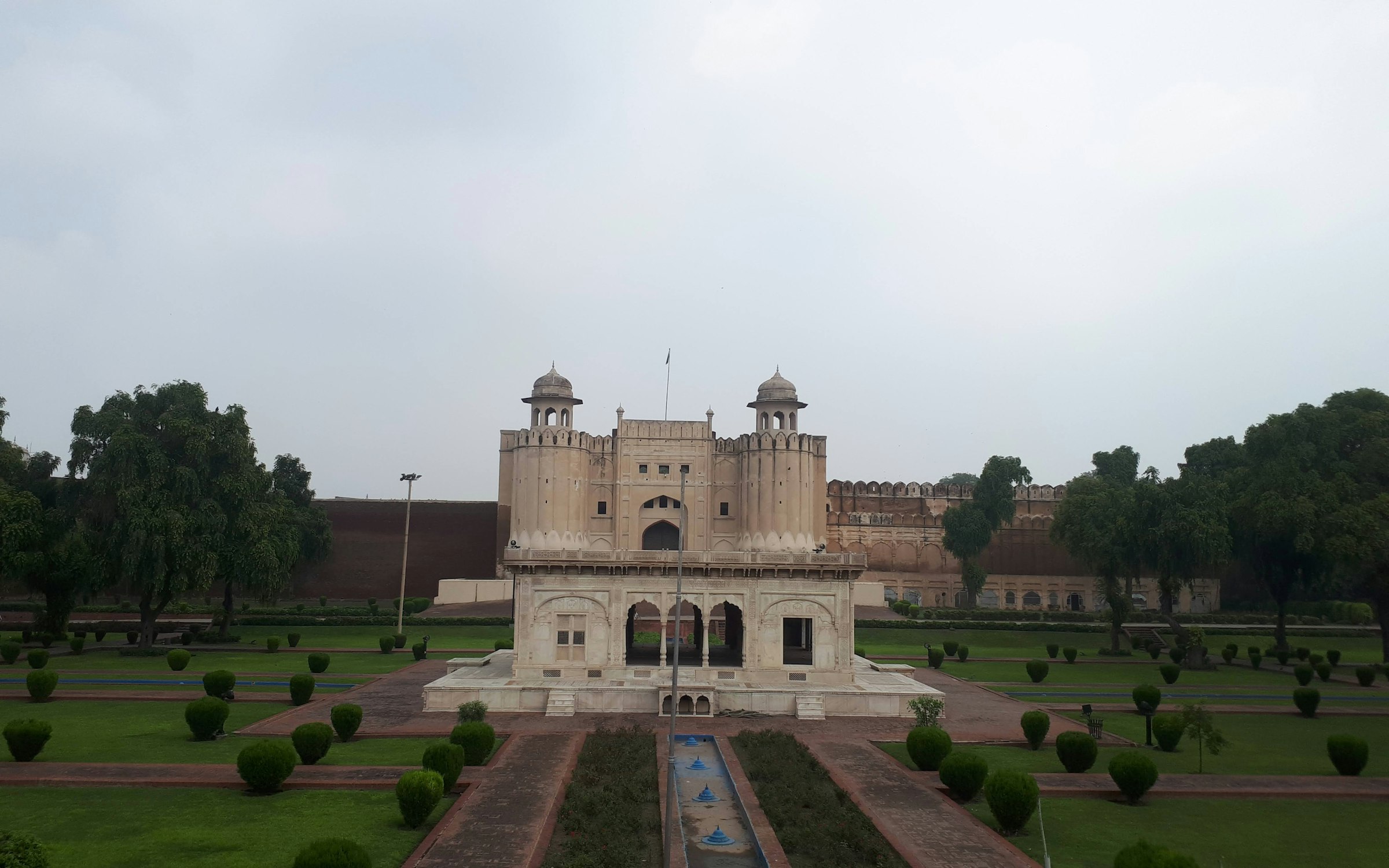
Overall, Pakistan isn’t a simple destination, and a good guide shouldn’t pretend otherwise. The same country that offers the Karakoram Highway, six UNESCO World Heritage Sites, and unmatched mountain scenery also carries a real, current travel advisory from several governments. We’ve covered that in detail in our guide to whether Pakistan is safe to visit. It’s worth reading before you plan a route, since risk varies a lot by region.
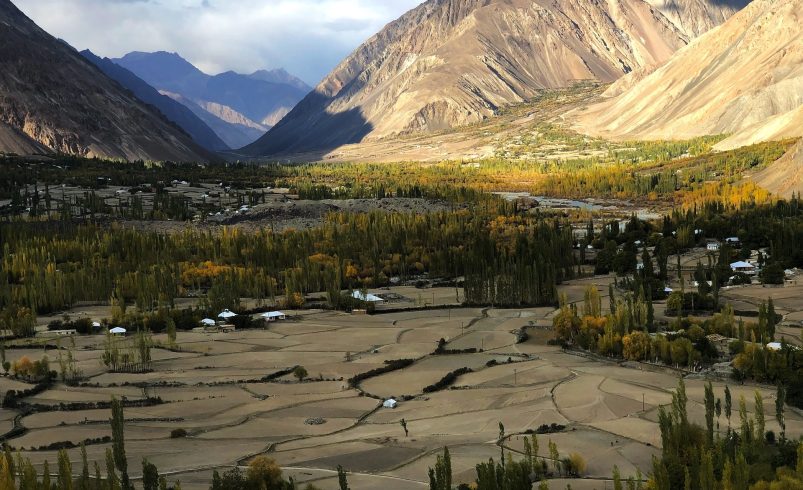
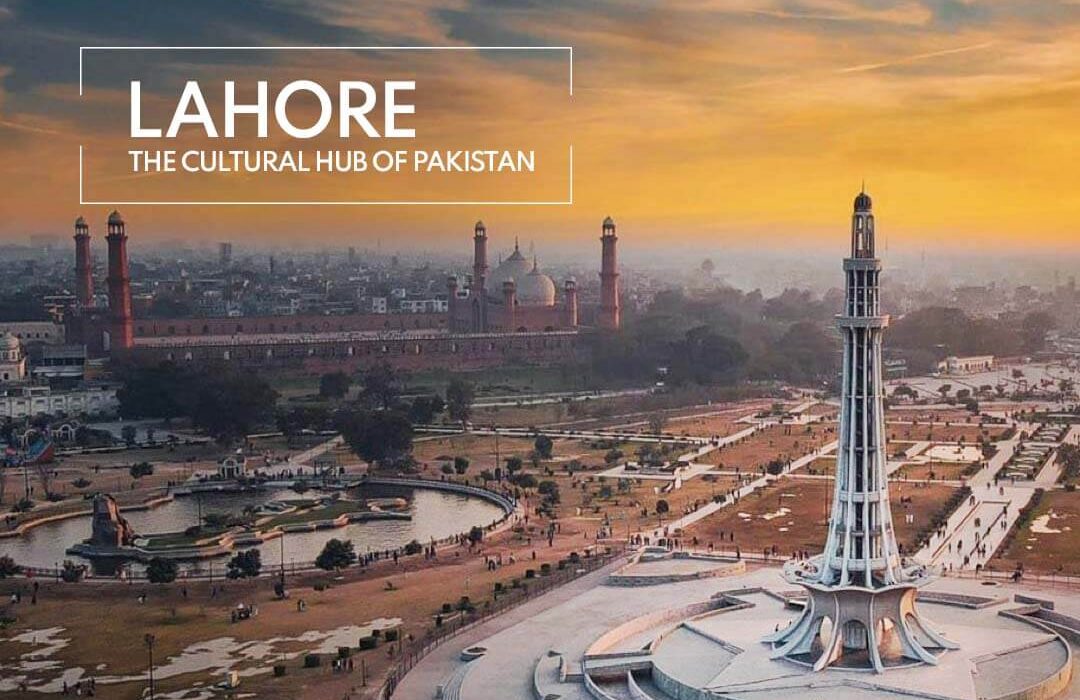
With that said, the regions most visited by international tourists have strong track records. That includes Gilgit-Baltistan, Lahore, Islamabad, and the northern valleys. Hospitality is a real, central part of the culture here, not a marketing line.
Culture and etiquette worth knowing
Pakistan is a socially conservative, deeply hospitable country, and understanding a few norms goes a long way.
- Greetings: “Assalamu Alaikum” (peace be upon you) is the standard greeting, with “Wa Alaikum Assalam” as the reply. Locals notice and appreciate the effort.
- Physical contact: Men shake hands with men. A man typically doesn’t initiate a handshake with a woman unless she offers first.
- Right hand only: Use your right hand for eating, greeting, and passing objects. The left hand is considered unclean in this context.
- Dress modestly: Loose clothing covering arms and legs is the norm. A shalwar kameez is inexpensive, widely available, and shows genuine cultural respect.
- Accept chai when offered: Refusing a tea invitation, even the first cup, can come across as impolite. It’s a core part of how hospitality is expressed here.
- Shoes off indoors: Remove your shoes when entering someone’s home, and follow your host’s lead if you’re unsure.
The Pashtun code of Pashtunwali treats guest protection as sacred. That spirit runs through much of the country’s hospitality culture, not just in Pashtun regions.
Ramadan: what changes during the holy month
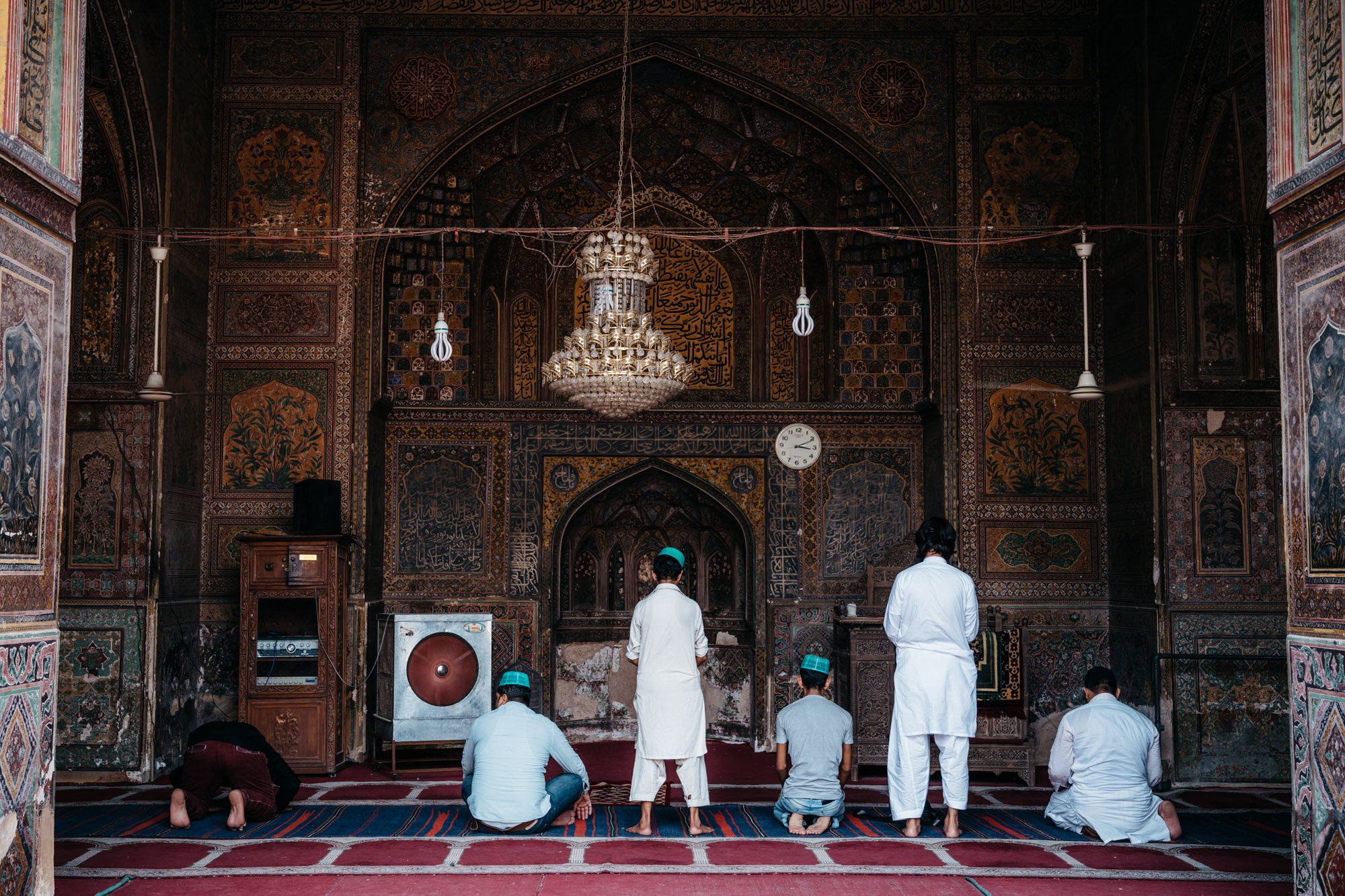
Also, if your trip overlaps with Ramadan, plan around it. Most restaurants close during daylight hours. Eating, drinking, or smoking in public before sunset isn’t appropriate, even for non-Muslim visitors. Evenings, though, come alive. Joining a community iftar, if you get the chance, is genuinely one of the best cultural experiences Pakistan offers.
The practical side of Pakistan tourism for foreigners
This is where most first-time visitors underprepare, not because the steps are hard, but because nobody lays them out together. Here’s the full sequence, with a guide for each step:
- Visa: Since the VPA program’s suspension, the standard e-visa is the only route in for most travelers. Apply weeks ahead, not days.
- Money: Read our currency exchange guide and ATM and cash guide together, since Pakistan runs on cash more than most travelers expect.
- Connectivity: A local SIM card is cheap, fast to set up, and makes everything else easier.
- Packing: Our packing list for northern Pakistan covers the layering approach that actually works for the region’s shifting climate.
- Altitude: If your route climbs into the mountains, read the altitude sickness guide before you go, not after symptoms start.
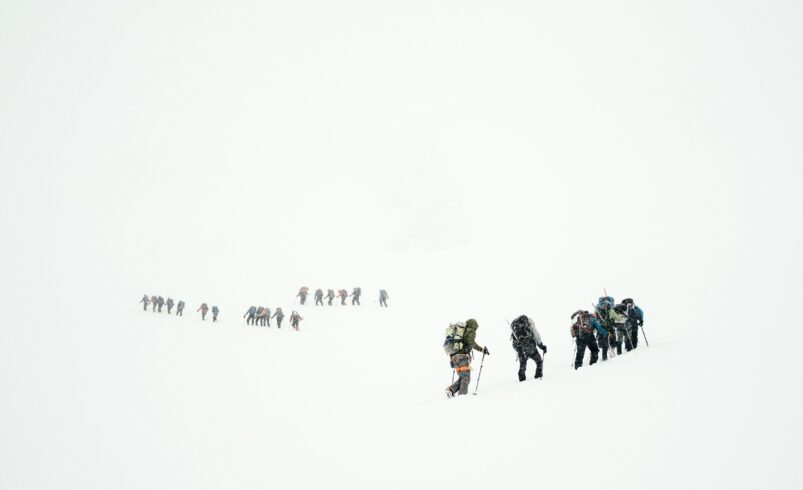
- Guides and permits: For trekking, see our guides to hiring a guide and trekking permits in Gilgit-Baltistan.
Who’s actually documenting this, if you want more perspective
A handful of international creators have covered Pakistan extensively in recent years. Their work is worth a look if you want a fuller sense of daily life on the road there. Eva zu Beck lived in the country for over a year documenting it. Rosie Gabrielle completed an 11,000-kilometer solo motorcycle journey across it. Alex Reynolds of Lost With Purpose has visited five times and co-founded a responsible tourism organization there. Their honest, on-the-ground accounts add something a single guide can’t.
A realistic first-timer’s checklist
- Apply for your e-visa at least 4 to 6 weeks ahead. Processing has been slower than official estimates suggest.
- Withdraw cash before heading north. ATMs get unreliable once you’re outside major cities.
- Pack for layered climate shifts, not one season. The temperature swing within a single day can be significant at altitude.
- Learn a few Urdu greetings. “Assalamu Alaikum” alone goes further than you’d expect.
- Check the current safety advisory close to your travel date. Conditions and guidance both shift.
Pakistan tourism for foreigners rewards people who show up prepared and genuinely curious. The logistics are more straightforward than the country’s reputation suggests. The hospitality, by nearly every visitor account, exceeds expectations rather than falling short.
Frequently asked questions
Do I need to speak Urdu to visit Pakistan?
No, English is widely spoken in tourist areas and among guides. A few Urdu greetings go a long way culturally, but they’re not a requirement for getting around.
Is it disrespectful to decline food or tea offers?
It can come across that way. Accepting at least a first cup of tea, even briefly, is generally seen as respectful. The same goes for a small portion of food.
What should I know about Ramadan if I’m traveling then?
Avoid eating, drinking, or smoking in public during daylight hours. Many restaurants close until sunset, though evenings often bring lively community iftars.
How prepared do I need to be before visiting Pakistan?
More than for many destinations. The visa, cash, and connectivity steps genuinely need to happen before you land, not after. Once that’s sorted, day-to-day travel is more straightforward than most first-timers expect.
Are foreign tourists welcomed in Pakistan?
Overwhelmingly, yes, according to nearly every documented visitor account. Hospitality is a deeply embedded cultural value, not a tourism talking point.